Overview
History of Gombin’s Jewish Community
Sources: Pinkas Hakehillot Polin and Virtual Shtetl
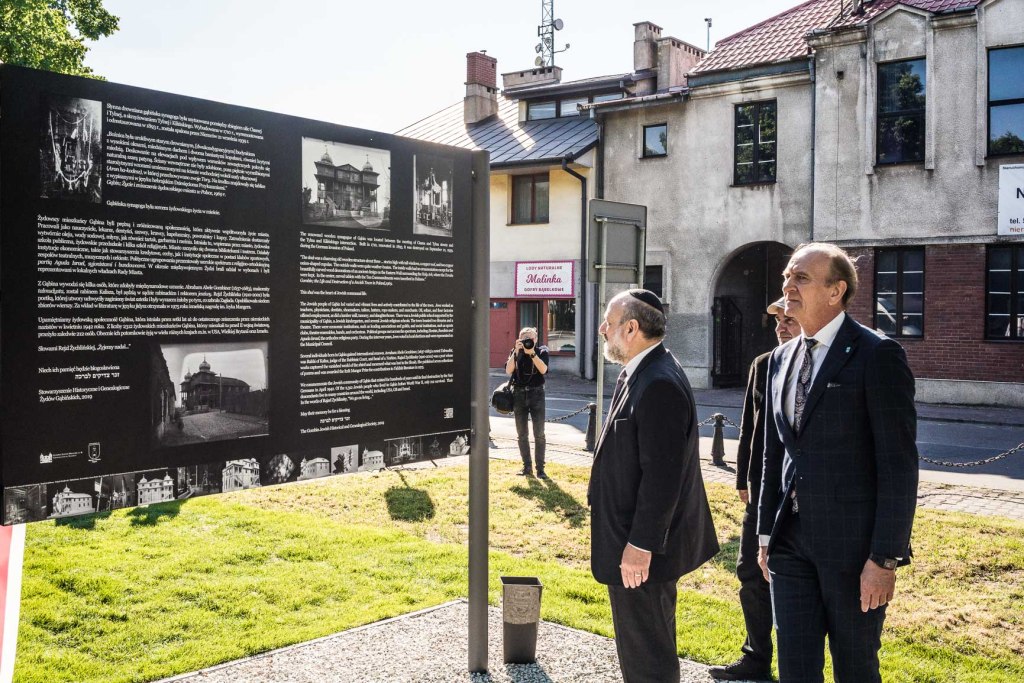
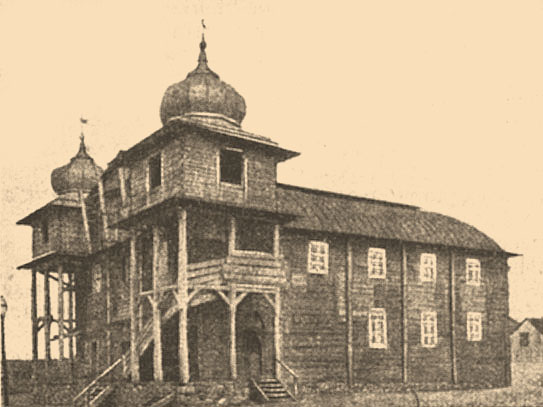
Gombin (Gabin in Polish) was first mentioned in historical records from 1215, making it one of the oldest towns in Mazovia. The first record of Jewish residents in Gombin is from 1507. The town had an organized Jewish community beginning early in the 18th century. A wooden synagogue was built in 1705 (which later was regarded as an historical landmark building). By the late 1700s, the Jews of Gombin dominated trade in the town. During the interwar years, the local Jewish community was noted for its social, cultural and political activism. By 1939, the Jewish community numbered 2,312 residents. Gombin was occupied by the German army on September 7 of that year. Almost immediately, the Germans began to force local Jews into labor and abuse them. A ghetto was established in 1940, and transport of Jews to labor camps began in 1941. The following April, the Germans liquidated the Gombin ghetto, sending some men the forced labor camp in Konin and the remainder of the Jewish community to the Chelmno extermination camp. Only 212 Jews from Gombin survived, most having escaped to eastern Poland at the time of the German invasion. READ MORE in Pinkas Hakehillot Polin and READ MORE on Virtual Shtetl
Photos
Resources
- Gombin: The Life and Destruction of a Jewish Town in Poland, Yizkor Book
- JRI-Poland Town Page for Gabin (Gombin)
- “A Lot Can Change in a Few Years: Memory Projects in Gostynin” from ADJCP President Marysia Galbraith’s Uncovering Jewish Heritage blog, which includes multiple references to Gombin
 ADJCP
ADJCP 