Overview
History of Kutno’s Jewish Community
Source: Pinkas Hakehilot Polin: Kutno
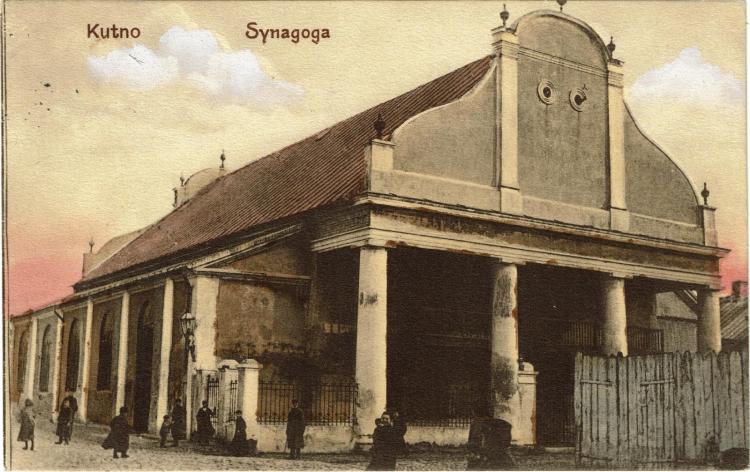
Kutno was first mentioned in 1301 in a document issued by the Dukes of Kujavia. It achieved
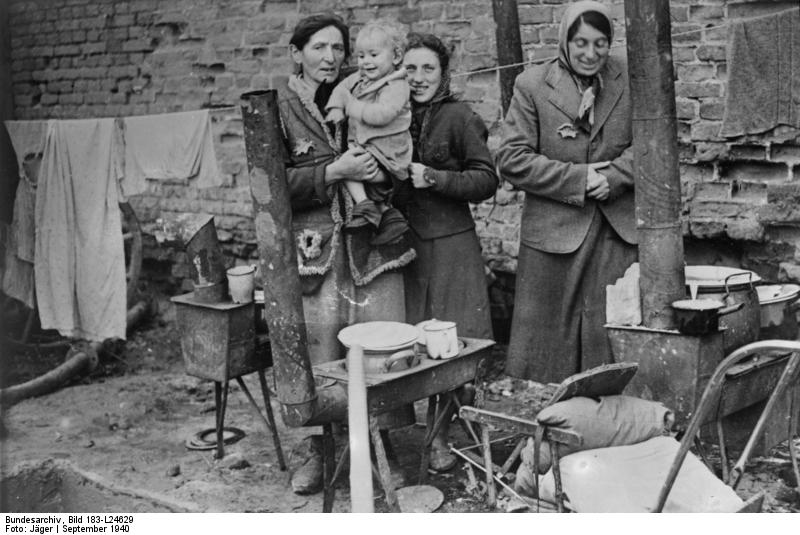
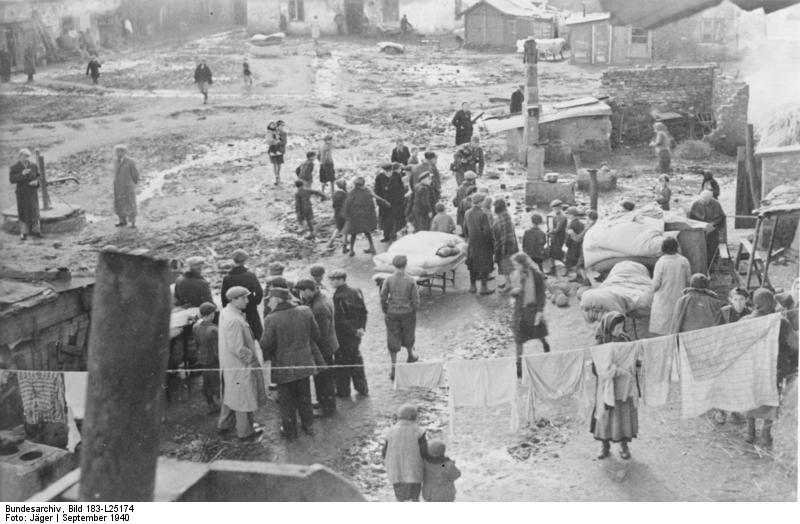
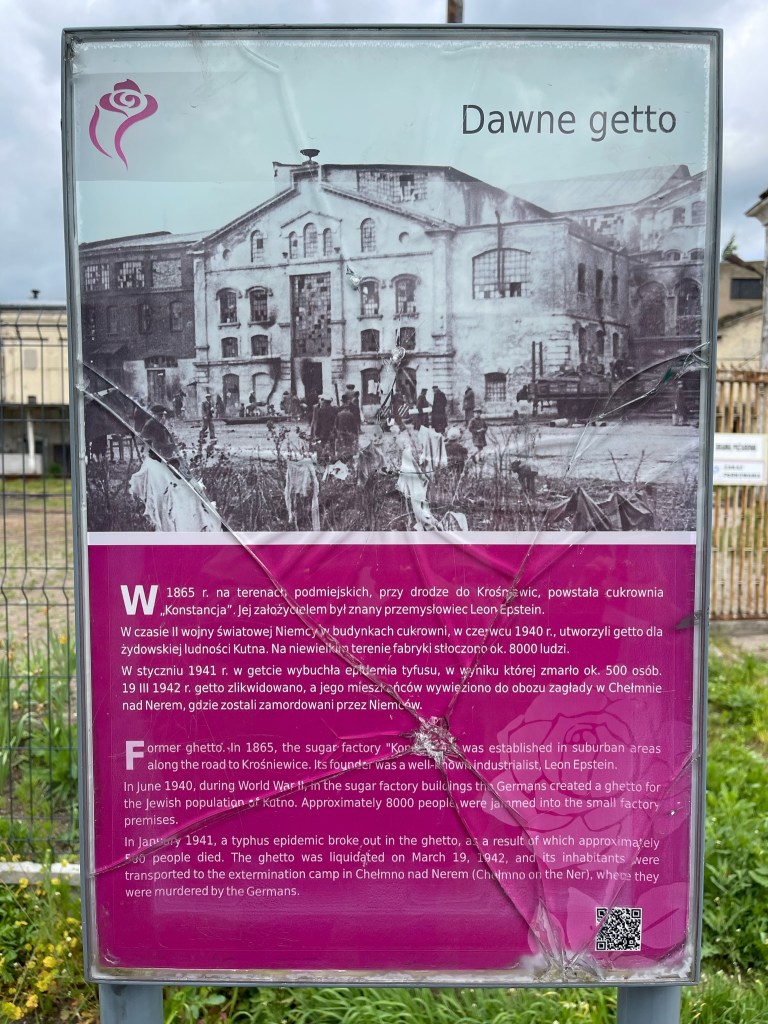
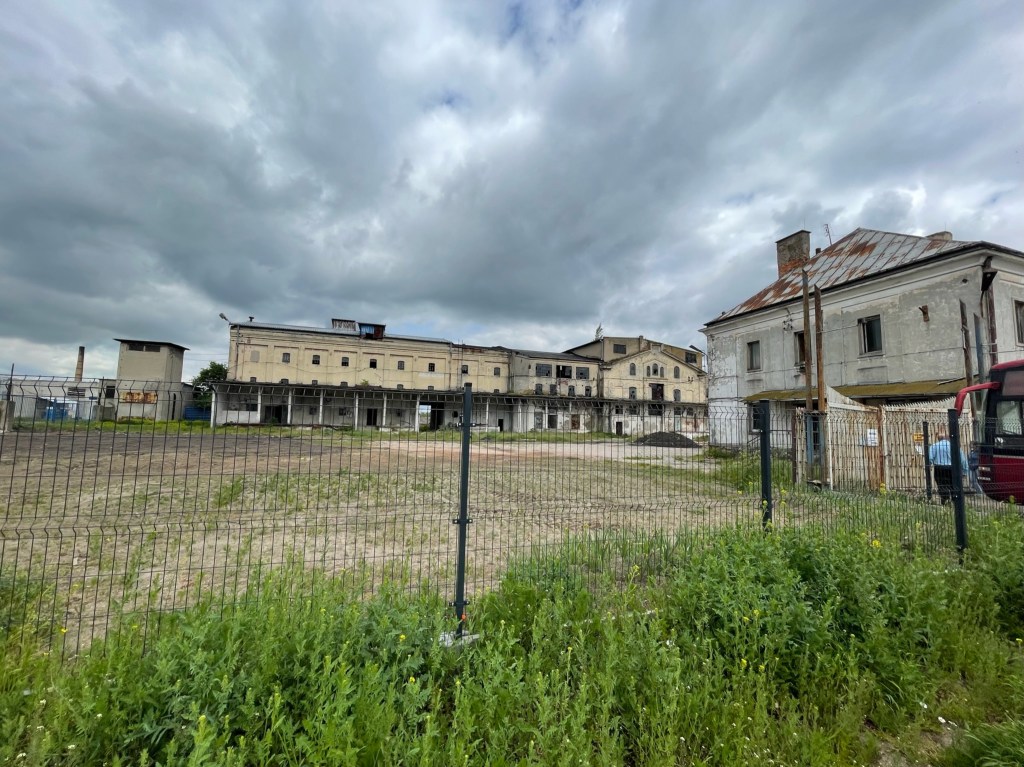
city status in 1432. The oldest document mentioning Jews in Kutno dates back to 1513. In the 18th and 19th centuries, the Kutno community was among the most influential Jewish centers in the country. From its very beginning, Kutno was famous as a centre for Torah study, mainly because its rabbis were among the most respected in the country. Kutno was also an important scholastic centre. In 1830-1831, two of the pupils at the rabbinical school in Warsaw were from Kutno, as well as being the hometown of the renowned writer Sholem Asch. In 1939, the Jewish population in Kutno numbered 7,000 out of a total of 26,000. On the eve of the Shavuot holiday, June 16 1940, the Jews were ordered to move to “Konstancja”. In late March or April 1942, the remaining Jews were dispatched to Chelmno. Only 213 survived the Holocaust. READ MORE
Photos


Resources
- “Kutno and Surroundings” Yizkor Book on JewishGen.Org
- Jewish Kutno website
- JRI-Poland Town Page for Kutno
- “Jewish History of Kutno”, “More Jewish Heritage Work in Kutno”, and “Sholem Asch: A Yiddish Playwright Ahead of His Time” on ADJCP President Marysia Galbraith’s Uncovering Jewish Heritage blog
- Survey of the Kutno Jewish Cemetery by the European Jewish Cemeteries Initiative, including photos of its recent condition
- US Holocaust Memorial Museum Encyclopedia of Camps and Ghettos, 1933-1945, entries for Kutno
- Society of Friends of the Kutno Region articles about Jewish Kutno
- A Walk in the Footsteps of the Jewish Community in Kutno
- About 25% of the inhabitants of Kutno were imprisoned by the Germans in the buildings of the closed Konstancja sugar factory
- The Kutno Ghetto
- Publication “Outline of the History of the Jews of the Kutno Region”, 2nd Edition supplemented and revised (2018)

