Overview
History of Gostynin’s Jewish Community
Sources: Pinkas Hakehillot Polin and Virtual Shtetl
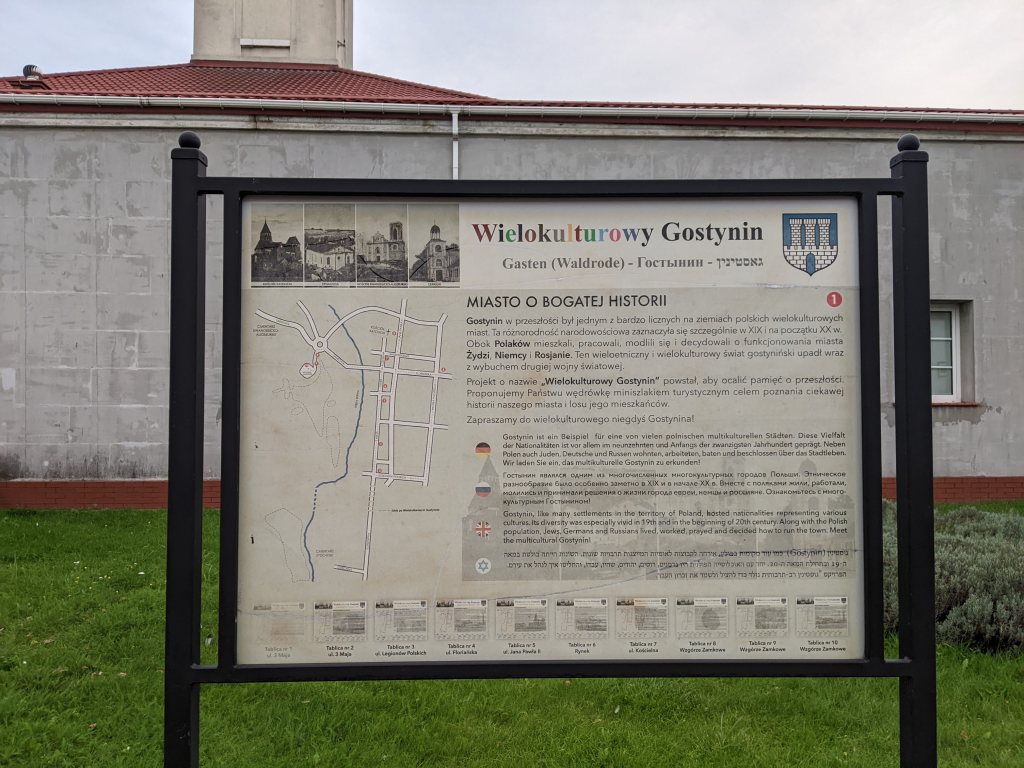
Gostynin was first mentioned in the mid-13th century as a fortified settlement. The town’s location on a key trade route was very influential in its development. A Jewish community existed in Gostynin since the mid-15th century. The Jewish kehila was likely established in the first half of the 18th century, and a wooden synagogue was constructed in 1710. By the late 1800s, about 1,800 Jews lived in the shtetl, comprising just over a quarter of the population. Jewish merchants dominated the local trade. After the turn of the century, a variety of political and social organizations were developed. However, restoration of Polish independence in 1918 did not improve the situation of the Jewish community. By 1921, there were fewer Jews living in Gostynin than in 1897. By the time of the town’s occupation by the Germans in 1939, the Jewish population was made up of 1,600 local Jews and about 650 Jewish refugees from other towns. As in other communities, the Jews were drafted for forced labor, and then in 1941 were fenced into a local ghetto. The Germans liquidated the Gostynin ghetto in April 1942, sending the remaining members of the Jewish community to their death at Chelmno. READ MORE in the Pinkas Hakehillot Polin and READ MORE on Virtual Shtetl
Photos
Resources
- Book of Gostynin Yizkor book
- JRI-Poland Town Page for Gostynin
- “A Lot Can Change in a Few Years: Memory Projects in Gostynin” from ADJCP President Marysia Galbraith’s Uncovering Jewish Heritage blog
 ADJCP
ADJCP 